

Taking Care of upvc Doors Hinges
When installing upvc door hinges It is essential to follow safety guidelines. For instance, it's essential to wear protective goggles as well as gloves. It's also essential to make use of the right equipment and take care of them properly.
UPVC hinges require regular maintenance to ensure that doors fit in the frames and don't fall or rattle into them, allowing drafts. There are three types of UPVC hinges for doors that are available: Butt type, Flag type, and Rebate hinges.
Butt hinges
uPVC butt hinges are utilized for a variety door types and applications. RepairMyWindowsAndDoors can be made of various metals and can be made in a variety of methods. Cold working, forming, and casting are some of the methods. The chosen method depends on the desired level of quality and price. For instance Forming is a cost-effective and easy process, whereas casting is more expensive but provides better durability.
Different types of hinges come with different degrees of adjustability. Older butt hinges have adjustable pins on the bottom and top however, modern hinges have two screws on the sides and a third screw on the top. This allows for the movement of the sides which is extremely useful to ensure that the door shuts correctly.
There are also different kinds of butt hinges that allow for self-closing doors, or ones that fall open after a short amount of time (rising butt hinges). These hinges are typically found in public buildings such as schools and offices. These hinges are also used to provide accessibility features in buildings for those who have disabilities.
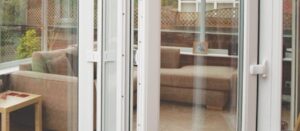
Whether you are installing a uPVC composite or a uPVC butt door, you will be required to install the hinges in order to make sure that the doors work effectively. In addition, you will have to ensure that the knuckle and the barrel of the hinge are level. Lastly, you will be required to check that the strike plate on the door frame is aligned with the latch.
A bubble level is the easiest method to check hinges. This will let you know if the door is aligned with the hinges, or if the door and frame are not in line. If the hinges don't align with the strike plate, the door will close incorrectly. This can be caused by the hinges being improperly installed, or when the door is heavier than what you would expect.
In most instances, adjusting hinges can fix this problem. If the problem persists you may have to replace the hinges. It's also a good idea to inspect the hinges regularly for loose screws, corrosion or cracks. In addition, it is important to grease the moving parts of the hinges by using an oil of light weight, like WD-40. This will lessen friction between metal parts and stop creaking noises.
Flag hinges
Usually found on older uPVC doors These hinges are made up of two parts that are connected via a pin or axis and allow the door to open and close effortlessly around the joint. The hinge parts are concealed between the door frame and sash, resulting in an uncluttered appearance. They are generally adjustable and allow you to fine-tune your uPVC doors as you need to. This will help maintain proper seals and smooth operation.
As you can imagine, with all the opening and closing of a door in time, it's quite normal for your uPVC hinges to loosen or to drop a bit from their initial position. It is a good idea to check your door hinges frequently to ensure they're in the proper position and if not, you can make small adjustments using a few simple tools.
Most hinges for doors made of uPVC can be adjusted laterally, vertically, and in compression (shifting the door closer or further from the frame). The easiest method of adjusting your uPVC hinges for doors is to take off the cover hinge caps and then rotate the screw of adjustment from left to right until the door is in the correct position. Depending on the kind of uPVC hinge you are using it could require a few full rotations of the screw before you find the perfect position.
To adjust a uPVC frame and to adjust the sash, loosen the screws that are on the strike plate and then slide the hinge inwards to reduce compression. Or move it away from outside the house to increase the gap. This will allow the latches to catch. This can be accomplished using a drill or screwdriver. It may take some trials and errors to figure out the best way to do it.
Certain uPVC door rebates can be fixed using a Rebated or T hinge. These hinges aren't as flexible as flag hinges, but they are more easy to maintain. They are also typically more repair-friendly than the typical flag hinge as they can be loosened and tightened with an allen key.
Rebated hinges
Over time, the uPVC door hinges may become loose or even fall off. Regularly check the hinges and make any adjustments that are required. This will ensure your uPVC is firmly seated in the frame and won't get caught on the floor or allow in draughts. Our guide will show you how to determine the type of hinge on your uPVC doors and how to adjust them.
There are a myriad of different kinds of uPVC door hinges however the most popular hinge is the butt. They are simple to use, reliable, and simple to maintain, but they don't offer as much adjustment as other types of hinges.
In contrast to butt hinges, flag hinges are designed to give more flexibility. They can be adjusted in three planes, making them more versatile than butt hinges. This type of uPVC doors hinge is also more attractive than butt hinges because they're hidden when the door is closed.
If you have a uPVC doors that's catching on the floor or letting drafts in the most likely reason is that the hinges are not properly adjusted. It is possible to fix the problem by lubricating your hinges with graphite or oil, depending on the root of the issue. But, this is only a temporary solution and won't stop the sound in the long term.
To adjust the height of an uPVC flag hinged door you must remove it from its frame. Then, you can make use of an allen key to adjust the screws on either side of the hinge for the movement of the hinge's laterals. You can also adjust the way the hinge is connected to the door using shims.
Once you've made the proper adjustments, you can reattach the door to its frame. To ensure that the door is aligned, employ a spirit-level to measure the gap between the edges of the door and the frame at the top, middle and the bottom. If the gap is consistent across the entire door, it is in good condition and doesn't require to be replaced. If the gap isn't constant, you should contact a professional.
Replacement hinges
It is essential to keep the door hinges in good condition. It is possible to replace the hinges in case they're damaged or rusty. This is a simple process that can be performed without having to replace the entire door. You can replace the upvc door hinges with new ones, that are available in a variety of styles and colors. The hinges are typically made of steel and are painted to match the door's style or made oxidized.
Depending on the type of uPVC door, the hinges are connected to either the frame or the door sash. The most common kinds of uPVC door hinges are butt and flag hinges. Both types of uPVC hinges have their pros and disadvantages. However, the type that best suits your needs will depend on the needs of your home.
There are many reasons why your uPVC door may not close properly. One reason could be that the hinges on the door are not aligned properly. The latch on the door might not be properly catching the strike plate. The hinges of the door can be adjusted to fix this issue. However, it is best to leave it to a locksmith as it is possible to damage the door by over-adjusting the hinges.
You can fix the problem by using an Allen key to adjust the compression on the uPVC hinges. You can add shims in order to increase the compression, or remove shims to decrease it. Once the compression has been established, you can screw back the hinge pin.
If you're replacing the hinges on your uPVC door, it's crucial to make sure that they're of the correct size. The first thing you have to do is mark the positions where the hinges will be placed on the frame and door. Then, using a fixing jig to drill the holes in the correct position on the sash and the hinge body. Then, you can use the packers to close the gap between the frame and the sash and complete the installation by drilling the screw holes.